Modern Chinese ArtistsObject Study 01

Zao Wou-Ki / 赵无极

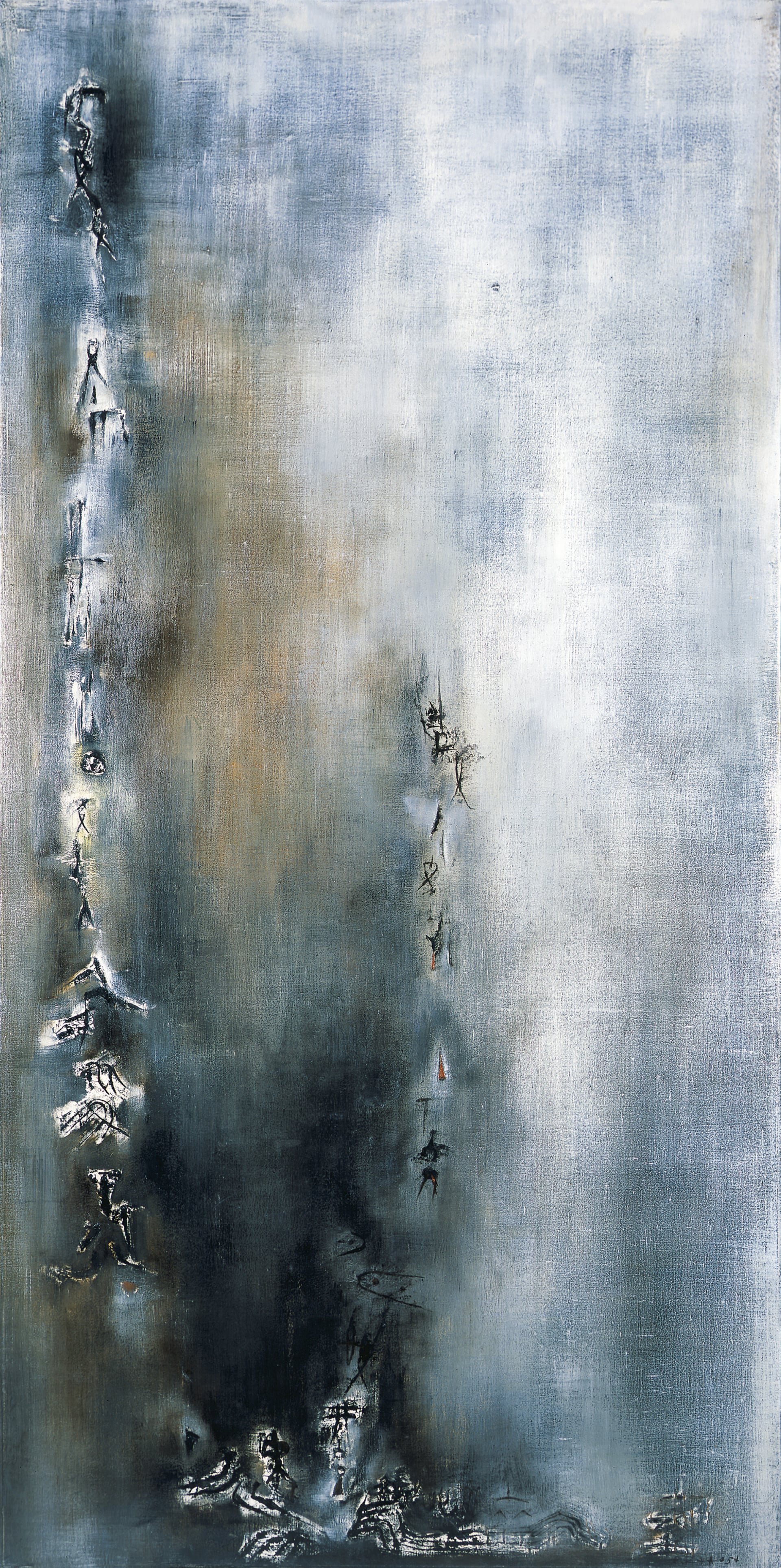
Vent

1954

The subject disappears

Vent by Zao Wou-Ki, a tall grey and black composition crossed by a cascade of invented signs
Artwork image courtesy Fondation Zao Wou-Ki. Educational presentation.
Vent100%
Vent by Zao Wou-Ki, a tall grey and black composition crossed by a cascade of invented signs

Use the controls or mouse wheel to zoom. Drag the image when enlarged.

Enter the artwork study
02

Object in the Zao Wou-Ki study

Date
1954
Medium
Oil on canvas
Dimensions
195 x 97 cm
Collection / record
Centre Pompidou, Paris
Catalogue / accession
Fondation Zao Wou-Ki works record

01 / Why this work matters

The subject disappears

Vent is often treated as Zao's first fully abstract painting. Its tall, narrow format is crossed by a descending current of marks, yet those marks do not spell a sentence or describe a scene. They make an invisible force - wind - perceptible through rhythm, interruption, and pressure.

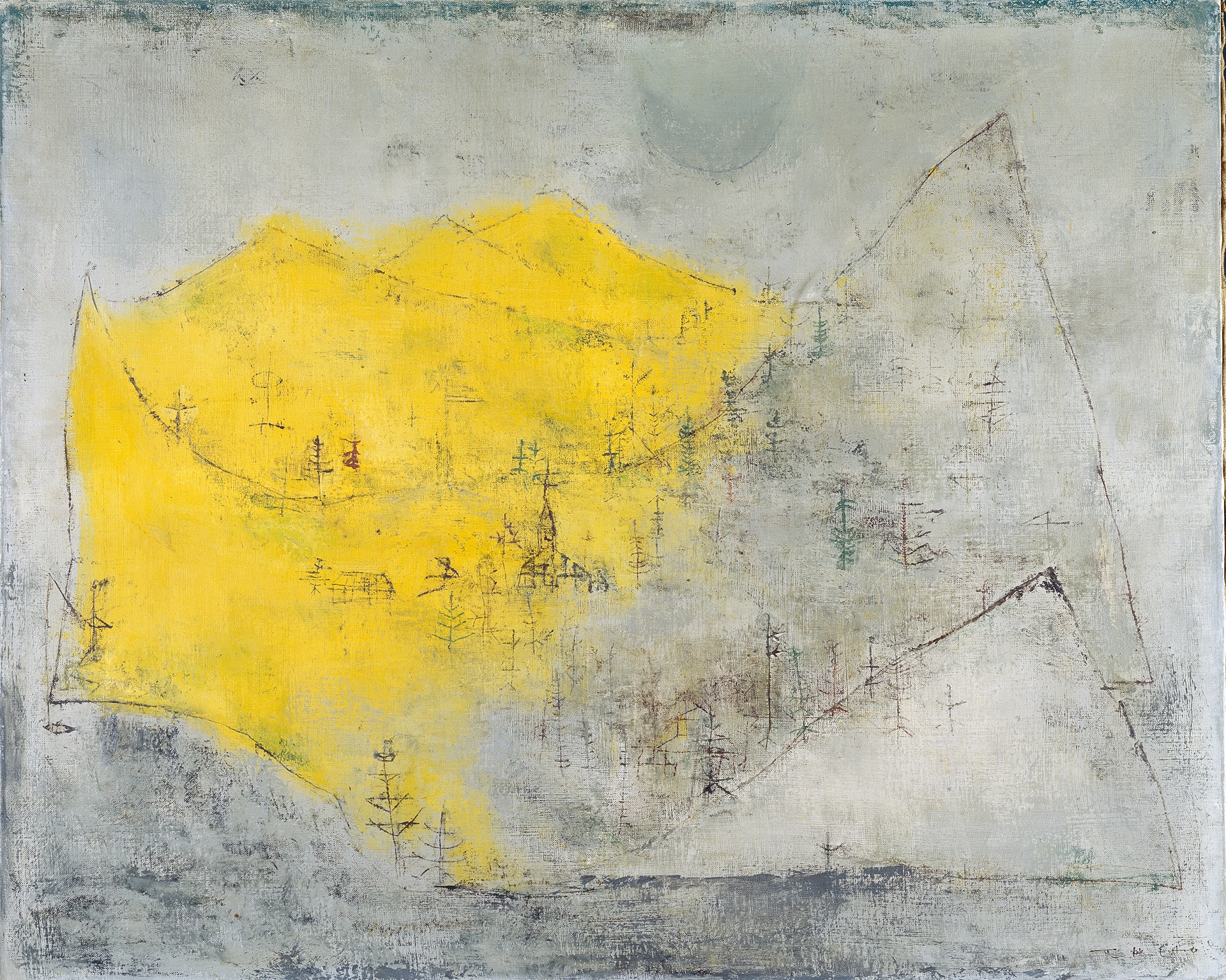
Paul Klee had shown Zao how signs could operate without literal explanation. Here Zao pushed that discovery toward his own invented script. The dark column carries memories of calligraphy and ancient inscriptions, but meaning has moved from language into movement.
02 / Formal analysis

Five ways to read the visible evidence.

Move from color and composition toward the material surface and the space the work asks you to inhabit.
01

Color and light

The downward drift of marks through the vertical canvas

02

Composition and rhythm

Edges that dissolve into smoky grey

03

Line and gesture

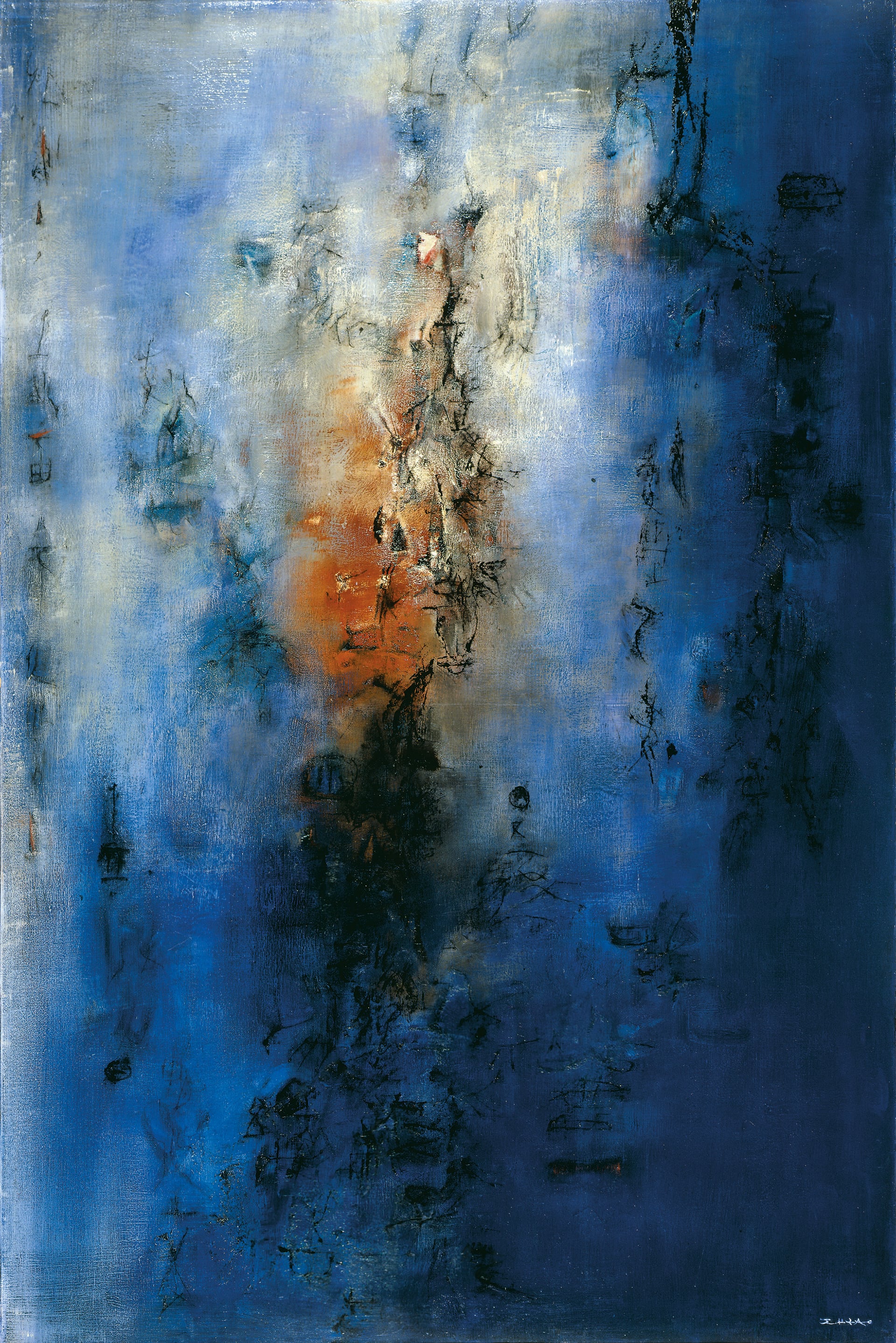
A sense of motion produced without a depicted object

04

Surface and material

Paul Klee had shown Zao how signs could operate without literal explanation. Here Zao pushed that discovery toward his own invented script. The dark column carries memories of calligraphy and ancient inscriptions, but meaning has moved from language into movement.
05

Space and scale

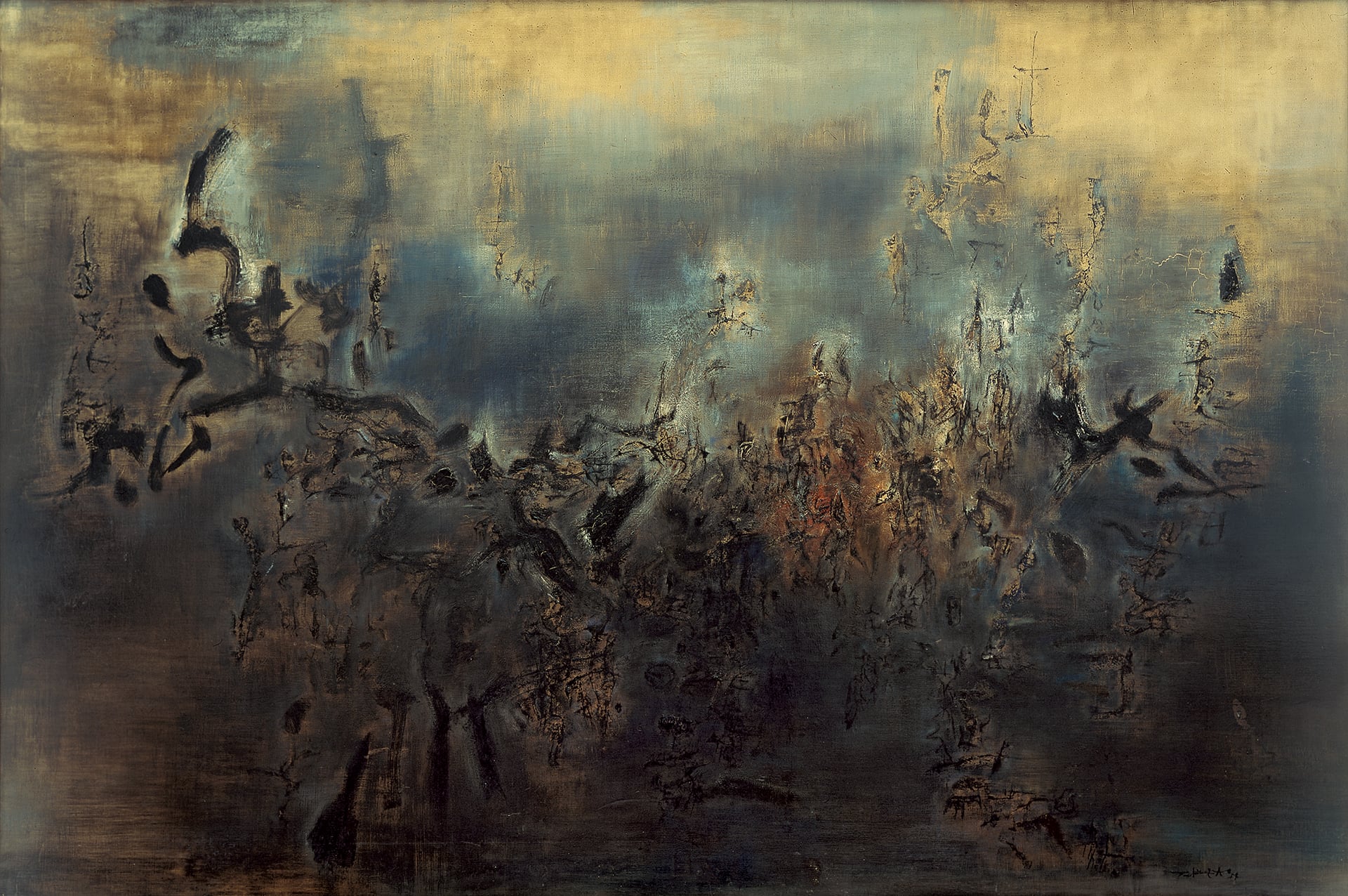
Vent is often treated as Zao's first fully abstract painting. Its tall, narrow format is crossed by a descending current of marks, yet those marks do not spell a sentence or describe a scene. They make an invisible force - wind - perceptible through rhythm, interruption, and pressure.

03 / History and object record

Place the image inside a life, a period, and a documented record.

Historical interpretation

Zao Wou-Ki, 1954

Paul Klee had shown Zao how signs could operate without literal explanation. Here Zao pushed that discovery toward his own invented script. The dark column carries memories of calligraphy and ancient inscriptions, but meaning has moved from language into movement.

Landscape, calligraphy, memory, and postwar abstraction become an atmosphere the viewer can enter.

Exhibition and record history

What the cited record establishes

Recorded collection
Centre Pompidou, Paris
Catalogue reference
Fondation Zao Wou-Ki works record
Exhibition chronology
The cited public record does not provide a complete exhibition chronology. Follow the primary record for provenance, display history, and future updates.

04 / Connections

Continue through neighboring works and parallel modernisms.

05 / Sources and further reading

Follow the object back to its institutional record.